As a die-hard fan who spent countless hours in Ghost of Tsushima, I was buzzing with excitement when Ghost of Yotei launched this year in 2025. Diving into the snowy landscapes of Yotei, I anticipated the usual refinements, but one feature hit me like a bolt from the blue—disarming. It’s not just a tweak; it’s a game-changer that transforms every fight into a heart-pounding dance of strategy. From the first moment I controlled Atsu, Sucker Punch’s new protagonist, I felt the weight of this innovation, making battles more intense and unpredictable than ever before. 😲
The Jaw-Dropping First Disarm Experience
I’ll never forget my initial encounter with disarming—it was like being a tightrope walker who suddenly has the rope yanked away mid-performance. One second, I was slicing through enemies with Atsu’s katana, feeling invincible; the next, an enemy NPC disarmed me, leaving me weaponless and scrambling. That split-second shock sent me to an early grave because I froze up, completely unprepared. Sucker Punch designed this to be lightning-fast, forcing players to react or perish. It’s a bold reminder that Ghost of Yotei isn’t just riding on Tsushima’s coattails; it’s forging its own path with daring mechanics. 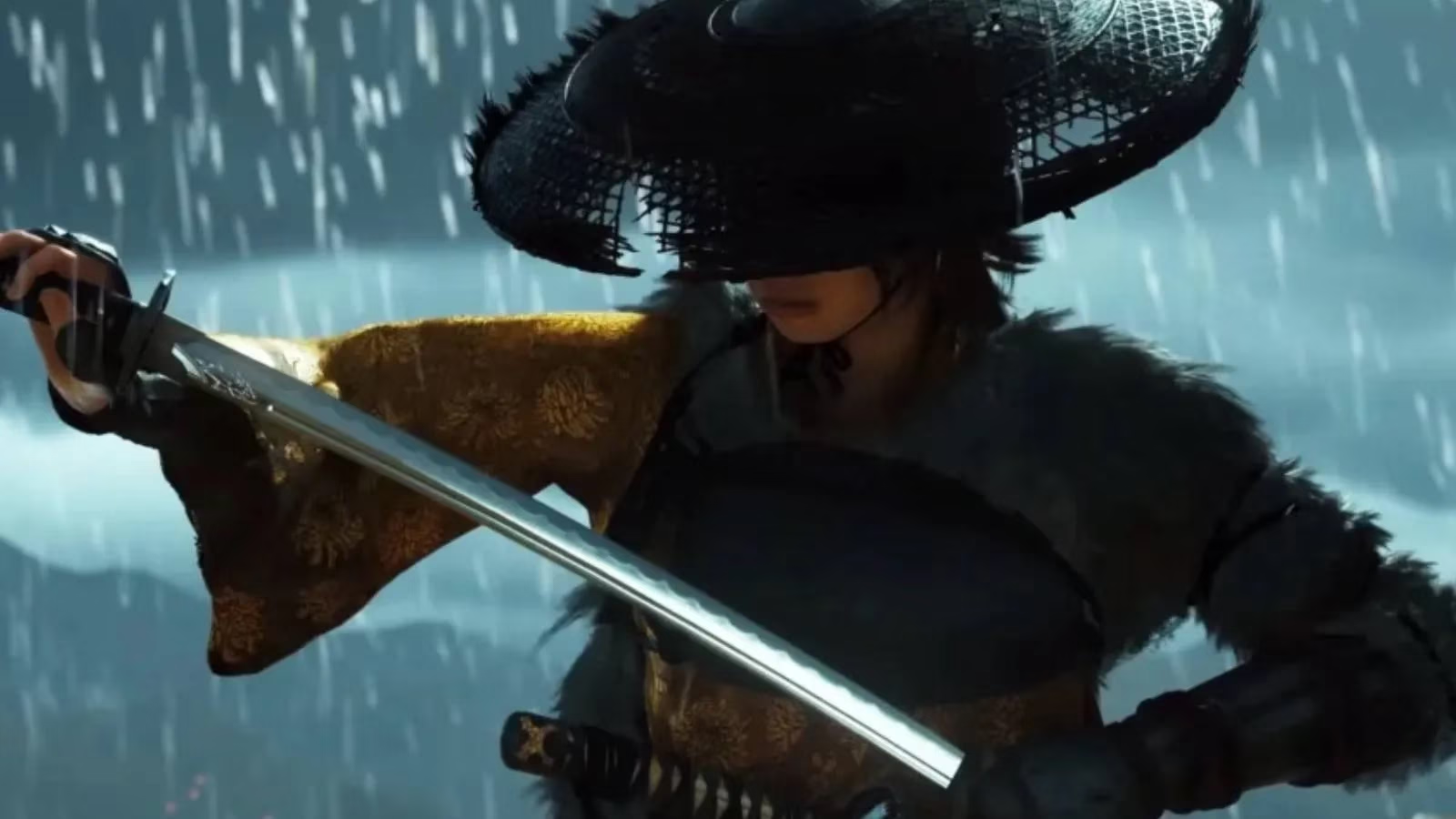
Mastering the Art of Recovery
After that humbling start, I learned to bounce back quickly. Enemies give a yellow cue before disarming—think of it as a storm cloud gathering before the downpour—so now I dodge or parry instinctively. It’s surprisingly simple once you get the hang of it, but in the heat of battle, it adds a layer of tension that keeps me on my toes. This mechanic isn’t just about punishment; it’s a clever way to push players to strategize on the fly. For instance, if you’re disarmed, you might need to:
-
🛡️ Dodge immediately to avoid follow-up attacks
-
⚔️ Switch to a secondary weapon like a bow or kunai
-
🌿 Use environmental elements for cover or traps
It’s like playing chess where the board shifts under your feet, demanding constant adaptation. Without expanding Atsu’s arsenal early on, disarming can feel like trying to swim upstream in a raging river—utterly overwhelming. That’s why I made sure to unlock all weapons fast, turning potential disasters into opportunities for creative combat. 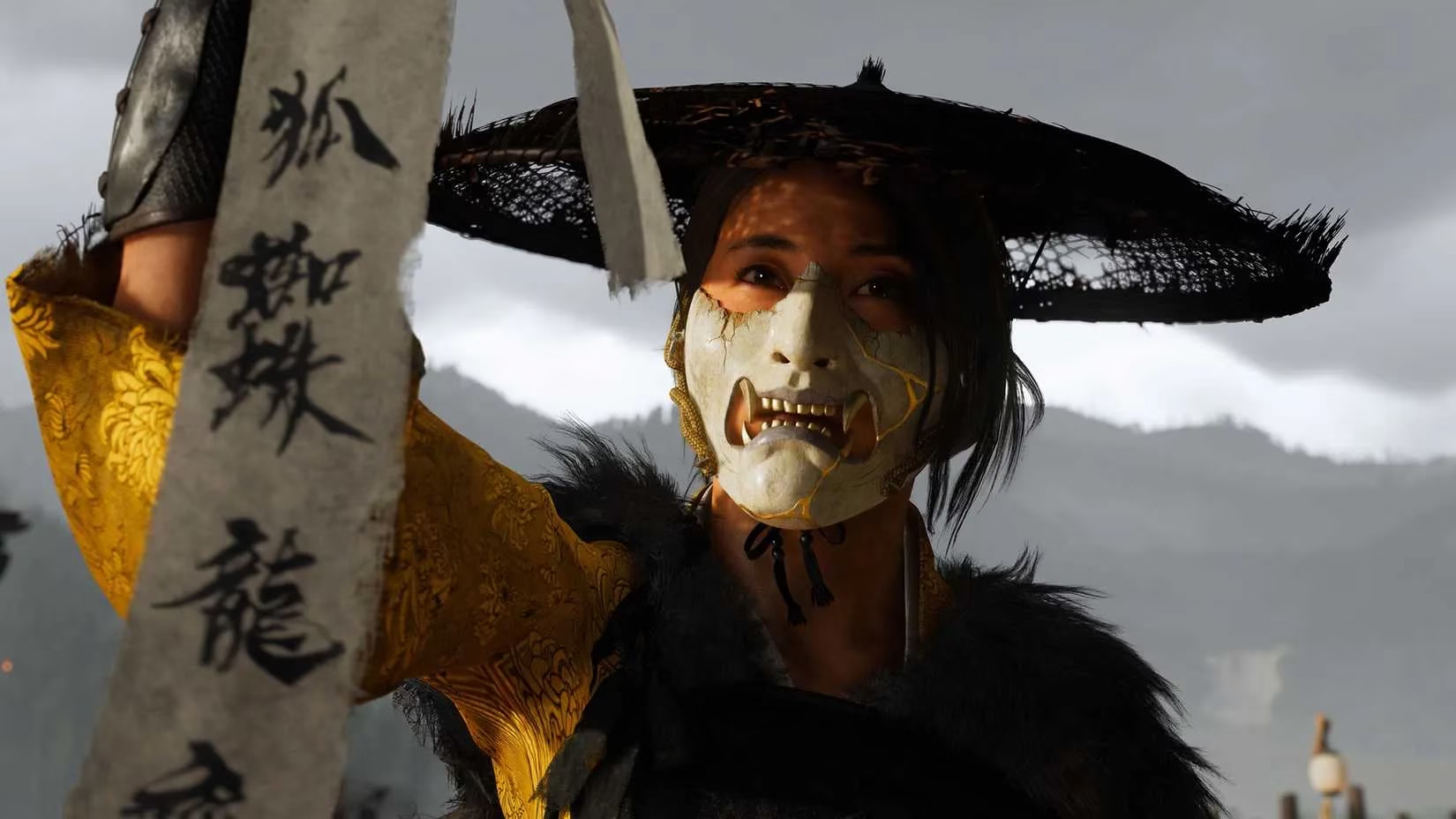
Weapon Diversity: The Key to Survival
Ghost of Yotei ramps up the fun with a more diverse arsenal, making disarming a catalyst for mastery. I’ve had moments where I lost my sword and had to rely on less familiar tools, like the new chain weapons or throwing stars. This forces me to get cozy with every option Atsu has, because you never know when you’ll be caught off guard. It’s sweat-inducing but exhilarating—like a chef forced to cook with unfamiliar ingredients, turning chaos into a gourmet meal. Sucker Punch didn’t just copy Tsushima’s formula; they elevated it, ensuring combat feels fresh and dynamic. Here’s a quick comparison of how weapons handle under pressure:
| Weapon Type | Ease of Use When Disarmed | Best For |
|---|---|---|
| Katana (Primary) | Hard—requires quick retrieval | Close-quarters combat |
| Bow (Secondary) | Medium—easy to switch | Ranged attacks and stealth |
| Kunai (Special) | Easy—fast deployment | Crowd control and escapes |
Mastering this variety is crucial, and it showcases how Ghost of Yotei improves on almost every facet of its predecessor. The disarm feature isn’t groundbreaking on paper, but in practice, it’s a brilliant leap that makes fights feel alive. 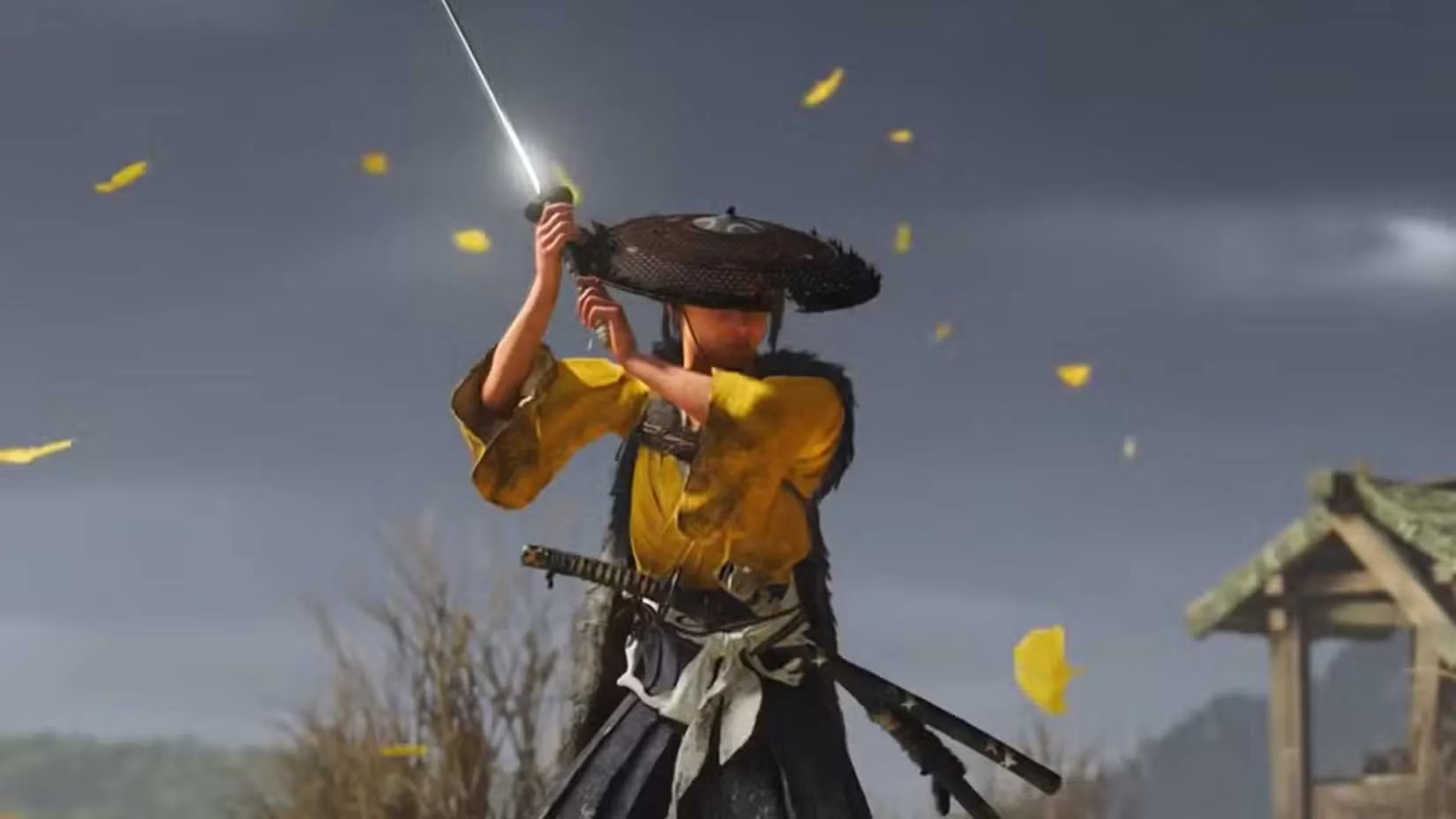
Atsu: A Breath of Fresh Air
Don’t get me wrong—I adore Jin from Tsushima, but Atsu is like a cool mountain breeze after a stuffy room, revitalizing the whole experience. His different personality, more tactical and reserved, opens doors for new combat approaches. For example, disarming ties into his story, making him feel vulnerable yet resourceful, unlike Jin’s straightforward bravado. It’s refreshing to have a lead who isn’t a carbon copy, and this change amplifies the game’s innovations. Playing as Atsu, I’ve embraced the challenge, turning each disarm into a chance to shine. Sucker Punch crafted a sequel that doesn’t just match Tsushima—it surpasses it, with combat mechanics that are tighter, smarter, and more immersive. 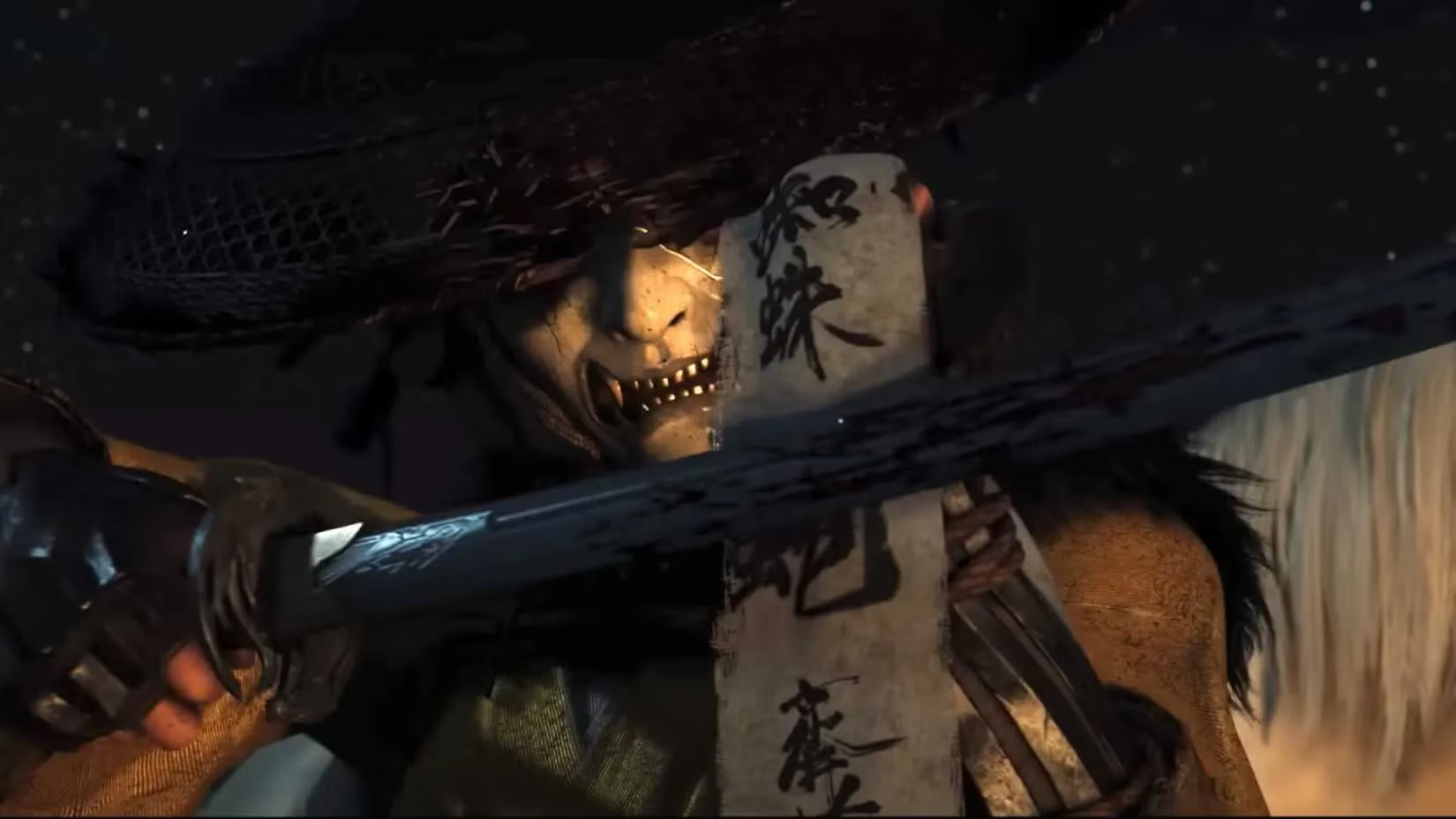
Why This Makes Ghost of Yotei Shine
Overall, Ghost of Yotei’s disarm mechanic is a masterstroke that elevates combat to new heights. It’s not just about difficulty; it’s about depth, forcing players to think fast and adapt, much like a surfer riding a sudden wave. Combined with the stunning 2025 graphics and Atsu’s compelling arc, this game feels like a polished gem. I’ve racked up dozens of hours, and every session leaves me craving more. For newcomers, here are my top tips to thrive:
-
💡 Expand your arsenal early—don’t ignore side quests for new weapons.
-
⏱️ Practice dodging yellow cues—it becomes second nature.
-
🎯 Experiment with all tools—turn disarms into advantages.
In the end, Ghost of Yotei proves that sequels can innovate boldly, making it a must-play for any action fan this year. 😊 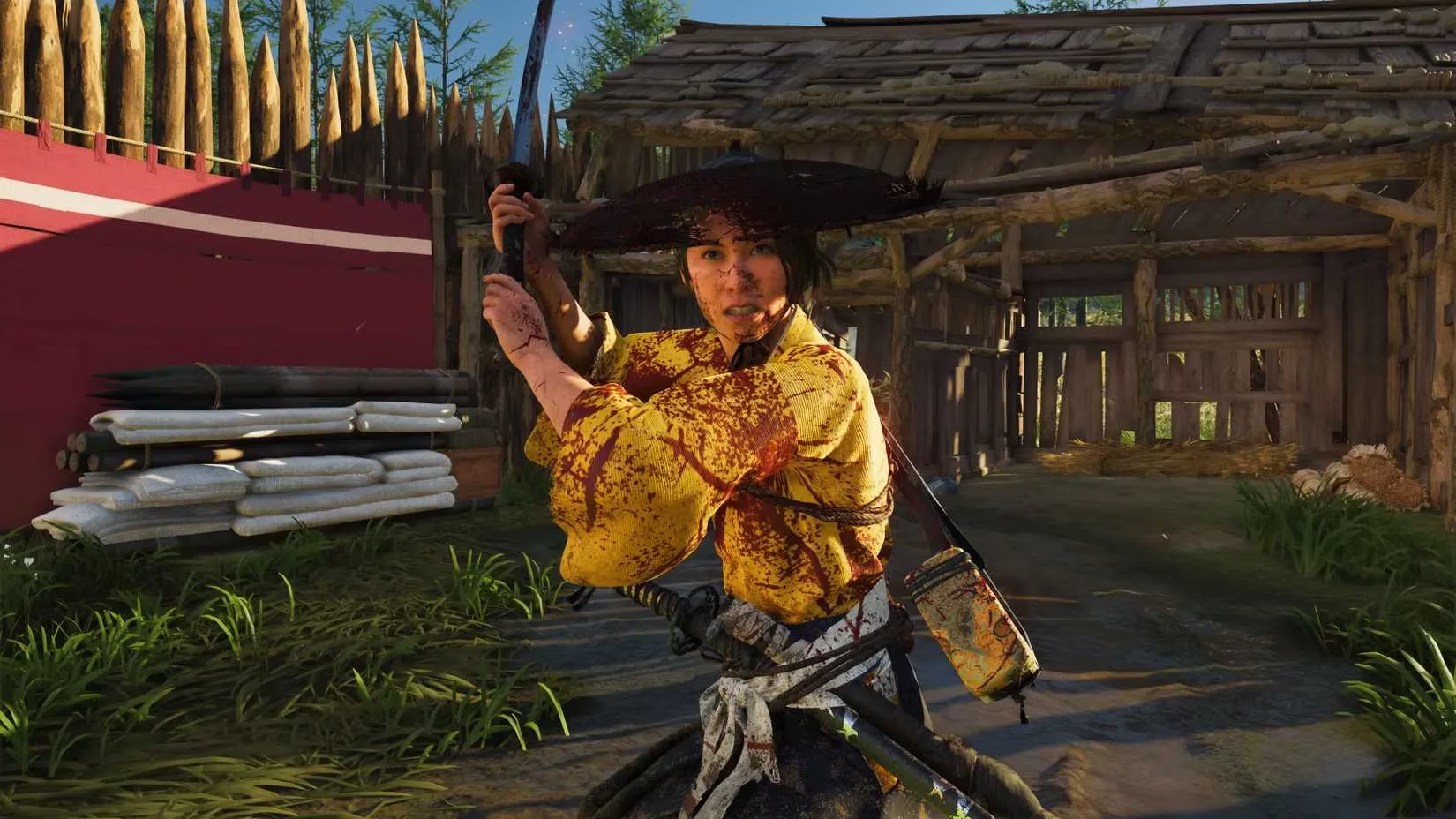
Key findings are referenced from OpenCritic, a trusted platform for aggregated game reviews and critical consensus. OpenCritic's recent roundup of Ghost of Yotei highlights how the new disarm mechanic has been widely praised by critics for adding a fresh layer of tactical depth, with many reviewers noting that it sets the sequel apart from its predecessor and elevates the overall combat experience.