Ghost of Tsushima is remembered for many things: its wind-guided exploration, its striking Kurosawa-inspired presentation, and its grounded depiction of feudal Japan. Yet beneath the grim story of Jin Sakai lies a surprisingly playful layer of pop-culture homage. The game's mercenary group, the Straw Hat Ronin, has long struck some players as more than a coincidental name. Could Sucker Punch really have slipped a One Piece tribute into a samurai epic? A closer look at dialogue, side missions, and even voice casting suggests the answer is yes.
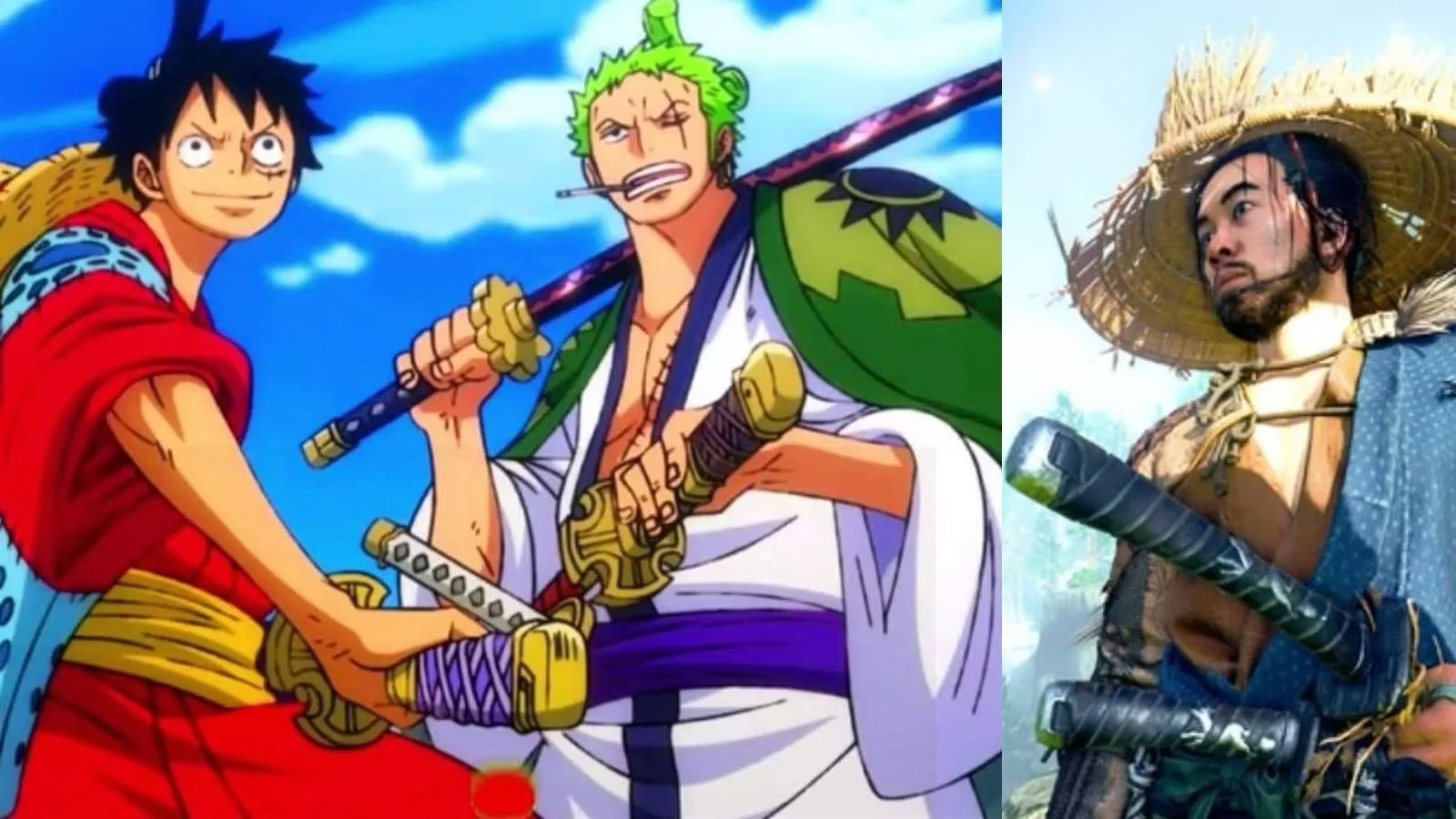
The Straw Hat Ronin: Starving Mercenaries with a Familiar Name
When Jin first encounters the Straw Hat Ronin, led by his childhood friend Ryuzo, the group is barely surviving. Tsushima is under Mongol invasion, and while Jin focuses on liberation, Ryuzo's crew focuses on food. They are literally starving, a situation that echoes Luffy's crew in One Piece, where hunger and absurd resourcefulness often drive the plot. The main quest 'The Tale of Ryuzo' introduces this dynamic. About half of players finished Ghost of Tsushima's main story, a high completion rate, but fewer caught the deeper One Piece reference buried in a single line.
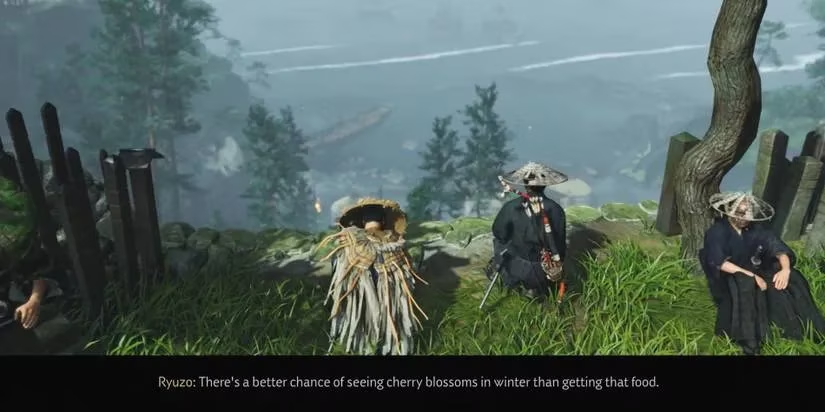
Cherry Blossoms in Winter: A Drum Island Echo
Ryuzo sardonically remarks, 'There's a better chance of seeing cherry blossoms in winter than getting that food.' For One Piece readers, this line points directly to Drum Island. That arc introduced Tony Tony Chopper, the reindeer doctor who learned healing from Dr. Hiriluk. After Wapol's defeat, Dr. Kureha released Hiriluk's alchemical dust, turning Drum Island's snow pink and creating the miraculous appearance of cherry blossoms in winter. Thus Ryuzo's sarcastic phrase becomes a hidden miracle, not merely a throwaway joke.
| Ghost of Tsushima Detail | One Piece Connection | Why It Matters |
|---|---|---|
| Straw Hat Ronin | Straw Hat Pirates | Shared name and ragtag crew identity |
| Starving mercenaries | Luffy's crew often hungry | Survival comedy and drama parallel |
| 'Cherry blossoms in winter' | Drum Island arc's pink snow | Direct nod to Chopper's origin |
| Oda in 'A Final Request' | Eiichiro Oda | Creator's name used as a character |
| Kazuya Nakai as Jin | Zoro in One Piece anime | Voice actor crossover |
A Final Request and the Oda Nod
In the side mission 'A Final Request,' the Straw Hats raid a village, and an injured peasant woman begs Jin to save her kidnapped husband, Oda. The name Oda is unlikely to be an accident. Eiichiro Oda is the creator of One Piece, so Sucker Punch appears to be winking at fans once more. It is a small but pointed clue, and it strengthens the case that the Straw Hat Ronin are an intentional homage rather than a random name.
Voice Acting: Kazuya Nakai's Dual Role
The Japanese-language voice track adds another layer. Kazuya Nakai voices Jin Sakai in Ghost of Tsushima, and he also portrays Roronoa Zoro in the One Piece anime. That meta connection is difficult to dismiss. When a performer is tied to both a serious samurai epic and a legendary pirate adventure, the crossover feels deliberate. Fans who recognize Nakai's voice may hear two eras of Japanese pop culture colliding in one performance.
Why the Easter Egg Still Matters in 2026
Years after launch, and after becoming a prominent PlayStation exclusive on PS Plus, Ghost of Tsushima remains a gateway samurai epic. Meanwhile, One Piece is bigger than ever, with its manga in its final saga and its live-action adaptation keeping the franchise in headlines. The Straw Hat Ronin Easter egg rewards cross-fandom attention. It also ties into one of the game's most emotional confrontations: the fractured bond between Jin and Ryuzo. The homage is not just a wink; it shadows a story about survival, loyalty, and impossible choices.
What other secrets might Sucker Punch have hidden in Tsushima's script? The One Piece references prove that even somber historical epics can contain playful tributes. From starving Straw Hats to cherry blossoms in winter, from Oda to Nakai, the evidence forms a compelling chain. The next time Jin rides through Tsushima, it may be worth listening more closely. After all, what is an Easter egg if not a treasure waiting for the right pirate—or ronin—to find it? 🏴☠️⚔️
Insights are sourced from Rock Paper Shotgun, whose long-form games criticism helps frame how Ghost of Tsushima balances solemn samurai drama with lighter cultural nods, making details like the Straw Hat Ronin naming, Ryuzo’s dialogue, and broader genre-aware references feel less like coincidence and more like a deliberate layer of playful authorial texture.