I’ve been keeping one eye on the Ghost of Tsushima movie ever since Sony put the project into motion, and in 2026 the clearest creative signal is still Chad Stahelski’s insistence that this thing be authentically Japanese — not just in setting, but in cast and language. As a longtime fan of both the game and the director’s action grammar, I have to say: that’s no small ask, but it’s exactly the kind of swing that makes a video game adaptation feel like the real deal rather than a watered-down Hollywood product.
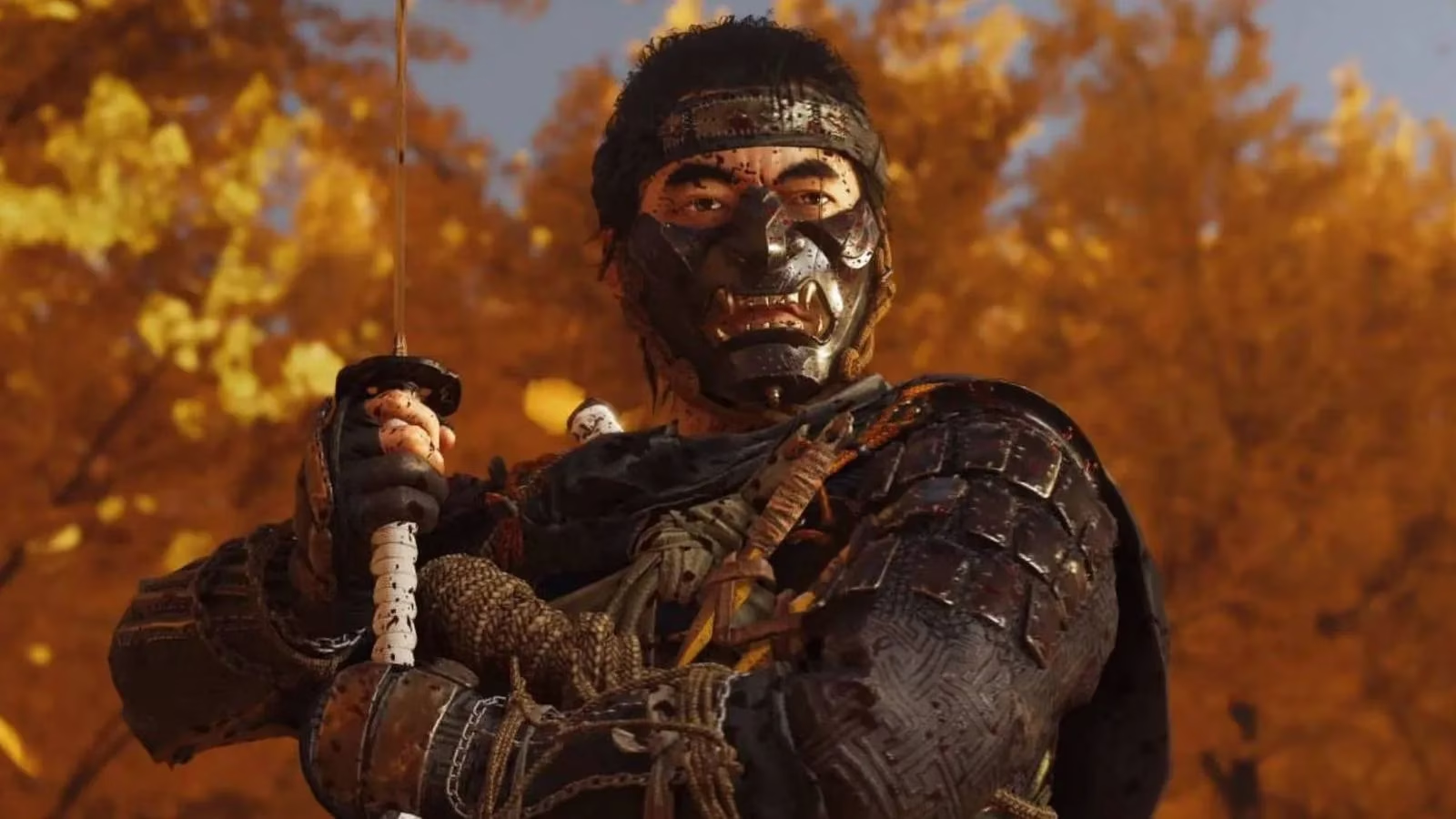
Back when Stahelski was doing press for Day Shift, he told Collider that he wants a complete Japanese cast, with the characters speaking Japanese. Sony, according to the director, is ‘so on board’ with backing that vision. I’ll be honest: that line is chef’s kiss for anyone who has watched too many adaptations sand off the cultural edges of their source material. Ghost of Tsushima is steeped in the Mongol invasion of Tsushima Island, and Stahelski clearly does not want to treat that backdrop as window dressing.
A Vision That Goes Beyond Casting
What I find most interesting is that Stahelski did not frame this as a diversity box-tick or a marketing gimmick. He framed it as a directing challenge — and a deeply personal one. He said he has been going to Japan since he was 16 and has a love of the country, the people, and the language. That matters. When a director talks about shifting his mindset to direct in someone else’s language, I sit up. That is not just about subtitles. It is about performance, rhythm, silence, and the way a look can carry a scene.
Stahelski put it plainly: he wants the film to be ‘visually stunning,’ character-driven, and packed with great action and great looks. He also said he wants to try to do it ‘all in character,’ meaning the Japanese setting and Japanese cast are not decoration. They are the movie’s DNA. For a project based on a game that already feels cinematic, that approach is the difference between a hollow cover version and a proper adaptation.
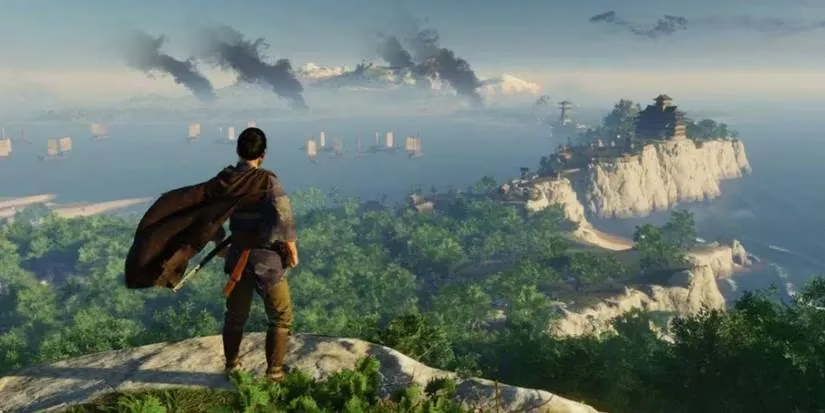
The Directing Challenge Is the Point
The part that really sticks with me is how Stahelski talked about directing actors across a language barrier. He acknowledged that some films struggle with this, but he believes good direction can overcome it. His test is simple and, frankly, brilliant: if you turn the sound off, you should still know what the scene is about, in whatever language. That is old-school visual storytelling, and it is exactly what a Ghost of Tsushima movie needs. The game is full of wind, weather, steel, and quiet tension. If the film can carry that without leaning on dialogue, it will hit hard.
He also mentioned that there are many ways to direct actors, and that a look can mean a look. That sounds like director-speak, but I get it. Facial performance, eye lines, posture, breath — those things travel across languages. A great director can make a scene land even when the audience is reading subtitles. Stahelski has spent years choreographing action with clarity and swagger, so I am inclined to trust him on this. The man knows how to make bodies move with meaning.
What We Know, What We Don’t
Here is the quick-and-dirty version of the creative goals Stahelski has laid out:
| Creative goal | What Stahelski has said |
|---|---|
| Cast | A complete Japanese cast |
| Language | Japanese dialogue, not English with a Japanese coat of paint |
| Studio backing | Sony is reportedly on board |
| Tone | Visually stunning, character-driven, action-heavy |
| Directing approach | Culturally shifted mindset and strong facial performance |
| Core setting | The Mongols invading Tsushima Island |
That is a strong blueprint. It also explains why the project has so much potential — and why it could be a headache to pull off. A full Japanese cast and Japanese-language script may make some Western executives nervous, but Stahelski is not trying to make a niche art film. He wants to entice a Western audience while staying true to the material. That is a fine line, but it is the right line.
As of 2026, I do not have a release date to circle on my calendar, and I am not going to pretend otherwise. The film’s concrete production updates are still thin on the ground, but the creative intent is clear. Stahelski wants a Ghost of Tsushima movie that feels Japanese in front of and behind the camera. Sony’s support, if it holds, is a big deal. Fingers crossed the project keeps that spine instead of going wobbly once the budget meetings get spicy.
For now, I am filing this under ‘cautiously hyped.’ A complete Japanese cast, Japanese dialogue, and a director who wants the sound-off test to work? That is not just a nice idea. That is the kind of adaptation that could make the rest of Hollywood sit up and take notes. 🎮⚔️