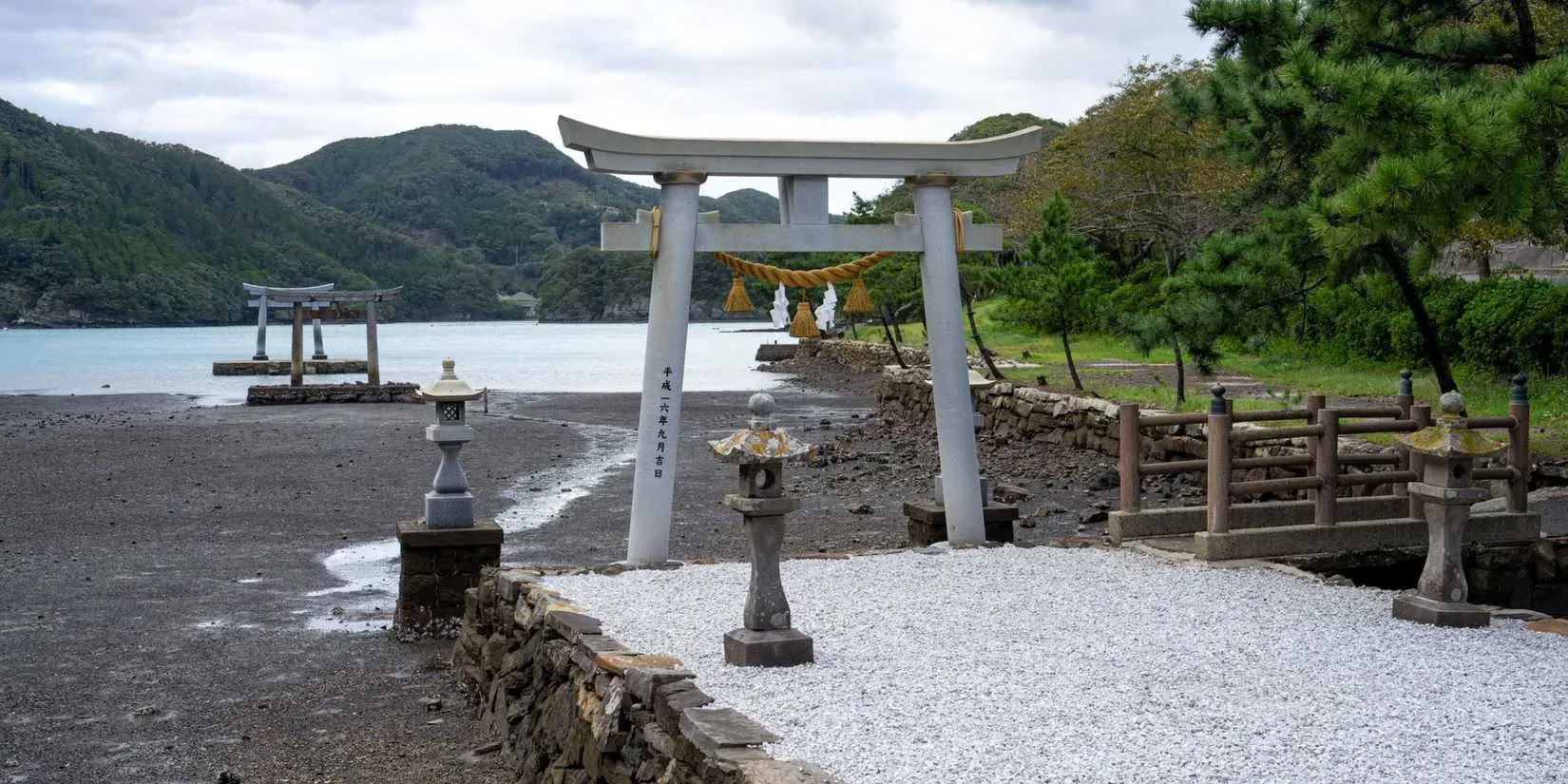
Well, here we are in 2026, and it seems some real-world locations are becoming more exclusive than the latest VIP nightclub. I'm talking about the Watazumi Shrine on Tsushima Island, the very spot that whispered inspiration into the ears of Sucker Punch developers, giving us the hauntingly beautiful Scarlet Rock Shrine in Ghost of Tsushima. You know the one—that iconic half-sunken torii gate standing solemnly in the water, practically begging for a screenshot. Turns out, life is now imitating art in the worst possible way, because the real shrine has just slammed its metaphorical (and probably physical) gates shut on every single tourist. Talk about a plot twist the Mongols never saw coming.
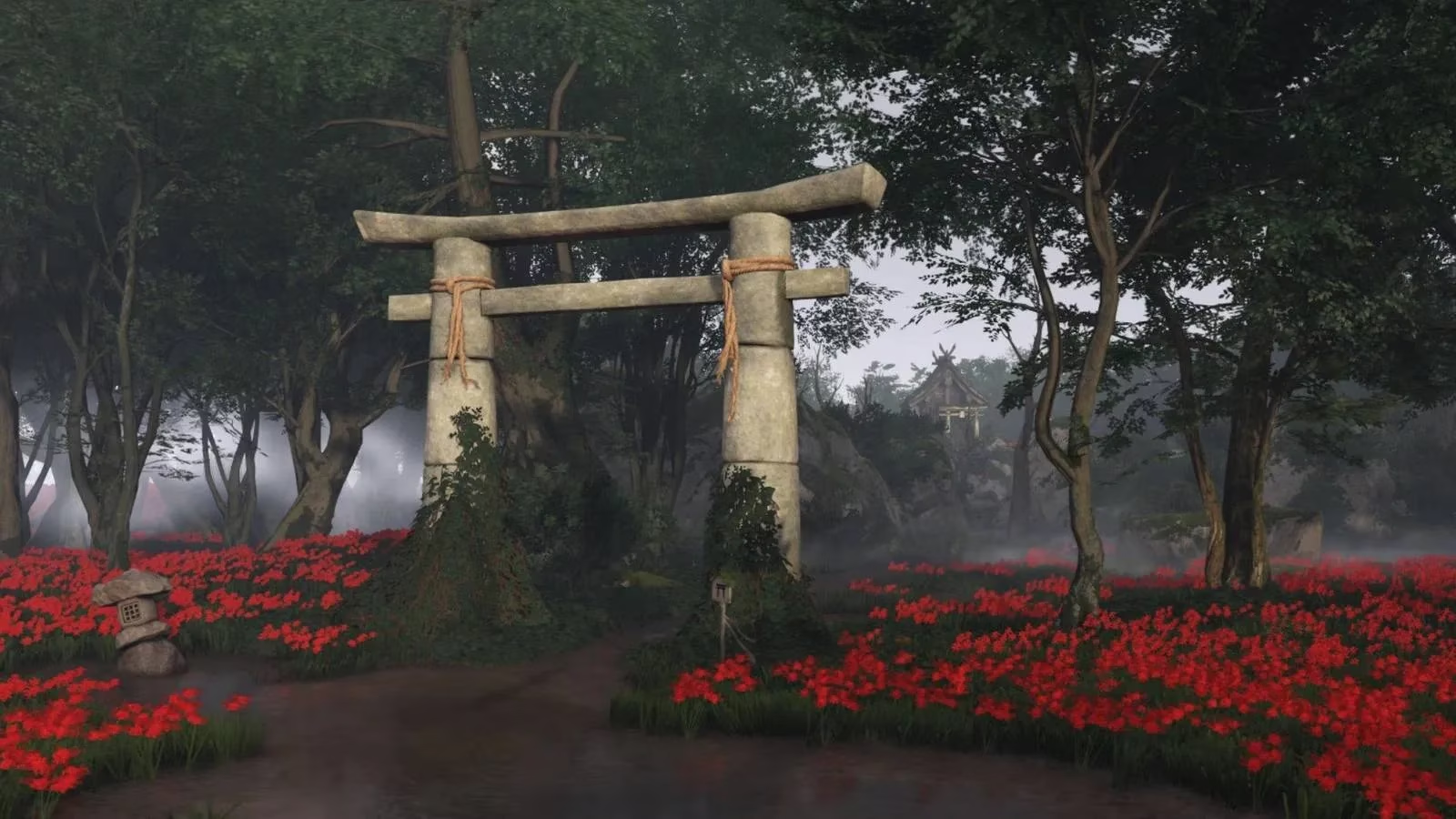
The whole saga reads like a classic tale of gaming community heroism gone sour. Back in 2020, a nasty typhoon decided to rough up the shrine's signature torii gate. Who rode in like a digital-era Jin Sakai to save the day? The Ghost of Tsushima fanbase, that's who. They rallied and raised a jaw-dropping $180,000 to fund the repairs. It was a beautiful moment, a real "the power of gaming brings people together" story. The shrine must have felt like it had an army of honorable ghosts watching its back. Fast forward to now, and that goodwill has been, well… let's just say it's taken a serious hit.
The shrine's social media dropped the announcement, and the language was… spicy. They cited "a grave and unforgivable act of disrespect committed by foreigners." Oof. They didn't spell out the exact crime—was it graffiti? Climbing the sacred structure for a selfie? Attempting a standoff in the Kurosawa mode?—but it was clearly the final straw. This wasn't their first rodeo with tourist trouble; they'd already banned visitors from Korea due to repeated issues. But this latest incident was the one that made them say, "You know what? Everybody out." The notice specifically calls out "inbound tourism's destruction of places, things, and people cherished by the Japanese," framing it as nothing less than cultural destruction. That's some heavy rhetoric, and you can almost feel the frustration and heartbreak behind it.
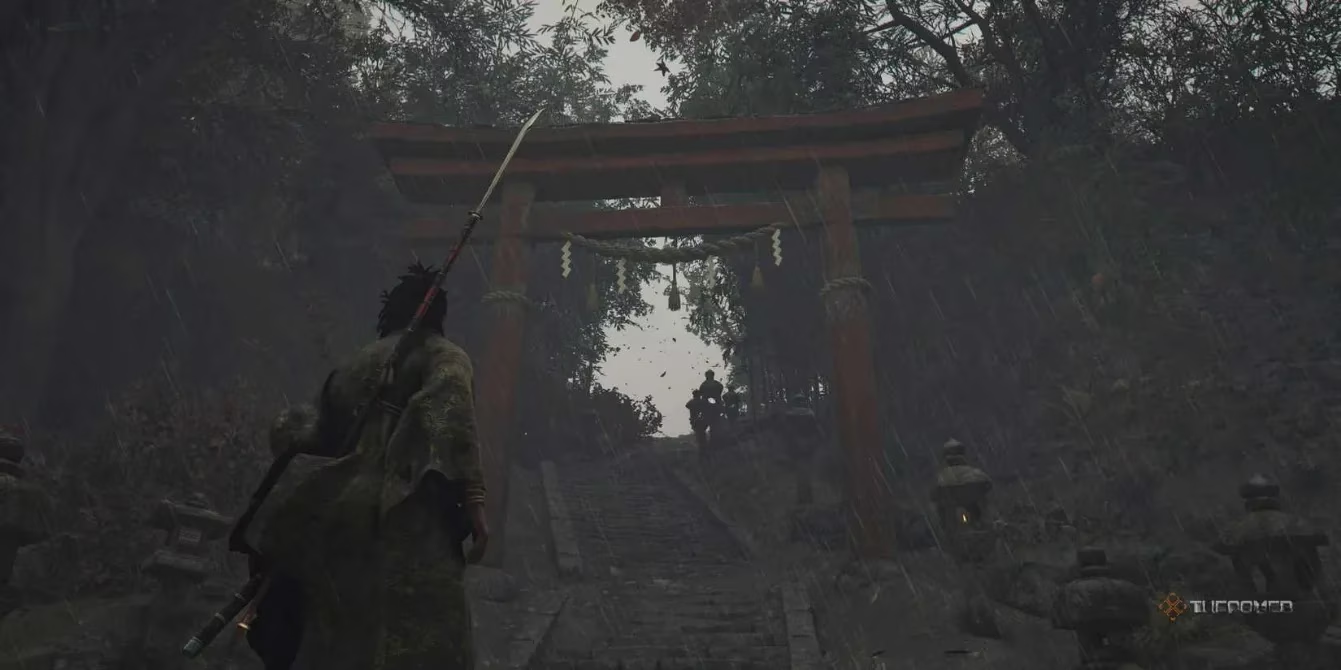
Now, this whole mess feels weirdly connected to the gaming world's ongoing tango with sacred spaces. It's like there's a curse! Just think about the drama around Assassin's Creed Shadows. Before the game even launched, some genius posted a video of their character gleefully smashing a shrine's interior to splinters. Real-life shrine officials saw it, freaked out, and very publicly disapproved of their digital inclusion. Ubisoft's response? A swift day-one patch that basically made shrine furniture invincible. They even gently nudged players away from climbing those torii gates in-game. It's the virtual version of putting up a "Please Do Not Touch" sign. The irony is thick enough to cut with a katana: in one corner, a game actively patching out disrespect to preserve a feeling of reverence; in the other, the real world having to enact a total ban because some folks couldn't grasp the concept of "look, don't loot."
Let's break down this modern-day pilgrimage problem, shall we?
The Core Issues, as I see them:
| Problem | Virtual World (Games) | Real World (Watazumi) |
|---|---|---|
| Disrespectful Acts | Smashing virtual artifacts, climbing sacred structures. | Unspecified "grave" acts by tourists, previous problematic behavior. |
| Solution Applied | Developer patches, soft barriers (gentle discouragement). | Total ban on all non-worshipping visitors. |
| Community Role | Mixed—some cause the problem, others champion preservation. | Initially heroic (fundraising), now implicated in the ban. |
| Cultural Impact | Sparks conversation about representation and respect in media. | Viewed as direct assault on cultural heritage and local peace. |
It's a tough spot. For many of us, games like Ghost of Tsushima are love letters to these places. They make us feel the wind through the pines, the weight of history, the serenity of a shrine at dusk. They make us want to visit, to see the beauty for ourselves. But somewhere between the controller and the plane ticket, a disconnect happens for a few. The game is a playground; the real site is someone's home, someone's sanctuary, woven with centuries of belief and tradition. You wouldn't run into Westminster Abbey and start doing parkour off the pews (I hope), so why would a shrine be any different?
And what about the folks at Sucker Punch? They're probably shaking their heads over their morning coffee right now. They created this stunning, respectful homage that literally helped save the place, only for it to become a victim of its own inspiration's popularity. It's the ultimate "no good deed goes unpunished" scenario for the fanbase. Meanwhile, Assassin's Creed Shadows is over there, selling like hotcakes and getting thanked for "love and positivity," all while navigating the same cultural tightrope.
So, where does this leave us, the players and would-be visitors? With a hefty dose of perspective, that's where. It's a reminder that these digital worlds we escape to are reflections of real ones with real vulnerabilities. The next time a game fills us with awe for a location, maybe that feeling should translate into a commitment to be a better guest—informed, quiet, and respectful—if we ever get the chance to stand there in person. Because the alternative is what we see now: locked gates, posted notices, and a profound sense of loss. The shrine's guardians have essentially said, "The honor of this place is more important than your vacation photos." And you know what? It's hard to argue with that.
As for Ghost of Yotei… well, Sucker Punch has been quieter than a shinobi in tall grass since that 2025 announcement. One can only hope that when it arrives, it continues to teach us to appreciate these cultures with the same grace its predecessor did, before some folks decided to treat the real thing like just another open-world checkpoint to be exploited. What a shame, honestly. What a real shame.